
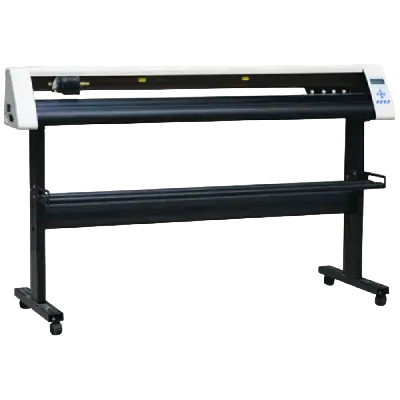
A sticker cutting machine can handle many types of vinyl, and knowing which one to use makes a big difference. Whether you run a small craft business or a print shop, picking the right vinyl saves time and money. At Redsail, we help people cut the right material with the right machine every single time.
In this guide, you will learn about the most common vinyl types that a vinyl cutter or die-cut machine handles. Let us break them all down in simple terms.
Adhesive Vinyl The Most Popular Choice for Stickers
Adhesive vinyl is the go-to material for most sticker projects. It has a sticky back that lets you peel and apply it to almost any flat surface.
A sticker cutting machine handles adhesive vinyl with ease. The blade slices through the top layer without cutting through the backing paper below. This process is called “kiss cutting.”
1. Permanent Adhesive Vinyl
Permanent adhesive vinyl sticks hard and stays put. You use it on outdoor signs, car decals, and product labels. It resists water, UV rays, and light scratching.
Once it bonds to a surface, it does not come off easily. So always make sure you place it in the right spot.
2. Removable Adhesive Vinyl
Removable vinyl gives you more flexibility. It peels off cleanly without leaving sticky residue. This makes it great for wall art, windows, and short-term promotional stickers.
If you make seasonal decorations or event stickers, removable vinyl is your best friend.
Heat Transfer Vinyl: Cut It, Press It, Done
Heat transfer vinyl, also called HTV, works differently from adhesive vinyl. Instead of peeling and sticking, you press it onto fabric using heat.
Your vinyl cutter or sticker die-cut machine cuts the HTV into shapes. Then you use a heat press or iron to bond it onto T-shirts, bags, and hats.
1. Standard HTV
Standard HTV is smooth and shiny. It cuts cleanly and applies well to cotton and polyester. Most beginners start here because it is easy to handle and comes in many colors.
2. Glitter and Specialty HTV
Glitter HTV adds a sparkle effect to your designs. Specialty options include holographic, foil, and flocked HTV. Flocked HTV has a soft, velvet-like texture.
These types need a slightly slower cut speed. Set your blade pressure carefully to avoid tearing.
Printable Vinyl: Print First, Then Cut
Printable vinyl lets you combine full-color printing with precise machine cutting. You print your design on the vinyl sheet first, then load it into your die-cut machine or sticker cutting machine.
This is the go-to choice for sticker sheets, photo stickers, and branded product labels.
1. Printable Matte Vinyl
Matte printable vinyl gives a flat, non-shiny look. Colors appear soft and natural on this surface. It works well for product labels and journaling stickers.
2. Printable Glossy Vinyl
Glossy vinyl makes colors pop with a bright, shiny finish. It is perfect for logo stickers and promotional items. Glossy vinyl also tends to resist water better than matte.
3. Clear Printable Vinyl
Clear printable vinyl gives a “no-label” look. Your design seems to float on the surface. Brands love this style for product packaging stickers.
Outdoor and Weather-Resistant Vinyl: Built to Last
Not all stickers live indoors. Some go on car bumpers, outdoor signs, and equipment. For these jobs, you need outdoor-grade vinyl.
A quality vinyl cutting tool or sticker cutting machine slices through outdoor vinyl just as smoothly. The key difference is the material’s durability rating.
1. Cast Vinyl
Cast vinyl is thin, flexible, and very durable. It wraps around curves and uneven surfaces well. Car wraps and outdoor banners often use cast vinyl.
It costs more than calendered vinyl, but it lasts much longer up to 10 years outdoors.
2. Calendered Vinyl
Calendered vinyl is thicker and stiffer. It works for flat surfaces and short-term outdoor use. You will find it used for yard signs and window graphics.
It costs less but usually lasts two to five years outside.
Specialty Vinyl: Go Beyond the Basics
Once you get comfortable with the basics, specialty vinyl opens up a whole new world of designs. Your sticker cutter can handle most of these with the right blade and settings.
1. Holographic Vinyl
Holographic vinyl reflects light in rainbow patterns. It grabs attention at trade shows, events, and shops. Cut it just like regular adhesive vinyl and apply it the same way.
2. Reflective Vinyl
Reflective vinyl shines when light hits it. It is popular for safety gear, helmets, and bike stickers. Emergency vehicles also use it on signs and labels.
3. Metallic Vinyl
Metallic vinyl gives a chrome or mirror-like look. Gold, silver, and rose gold are the most popular colors. It works great for logo stickers and packaging seals.
4. Fluorescent Vinyl
Fluorescent vinyl glows in bright colors under UV light. Neon yellow, pink, and orange are common choices. Sports teams, event organizers, and safety brands love it.
Tips for Getting Clean Cuts on Any Vinyl
Before you start cutting, always check these things:
- Blade depth: Set it just deep enough to cut the vinyl, but not through the backing sheet.
- Cutting speed: Slower speed gives cleaner edges on thick or specialty vinyl.
- Blade pressure: Too much pressure tears the vinyl. Too little leaves uncut edges.
- Test cut first: Always do a small test cut before running your full design.
These simple steps protect your materials and help you get the best results every time.
Conclusion
A sticker cutting machine can cut a wide range of vinyl types from basic adhesive and heat transfer vinyl to specialty options like holographic and reflective sheets. Each type serves a different purpose, and understanding them helps you choose the right one for every project.
At Redsail, we offer professional-grade sticker cutting machines built to handle all these vinyl types with precision and speed. Whether you are a beginner or a seasoned pro, our machines give you clean cuts and reliable results every time.
Ready to upgrade your cutting setup? Contact Redsail today and find the perfect sticker cutting machine for your business. Let us help you cut smarter, not harder.