
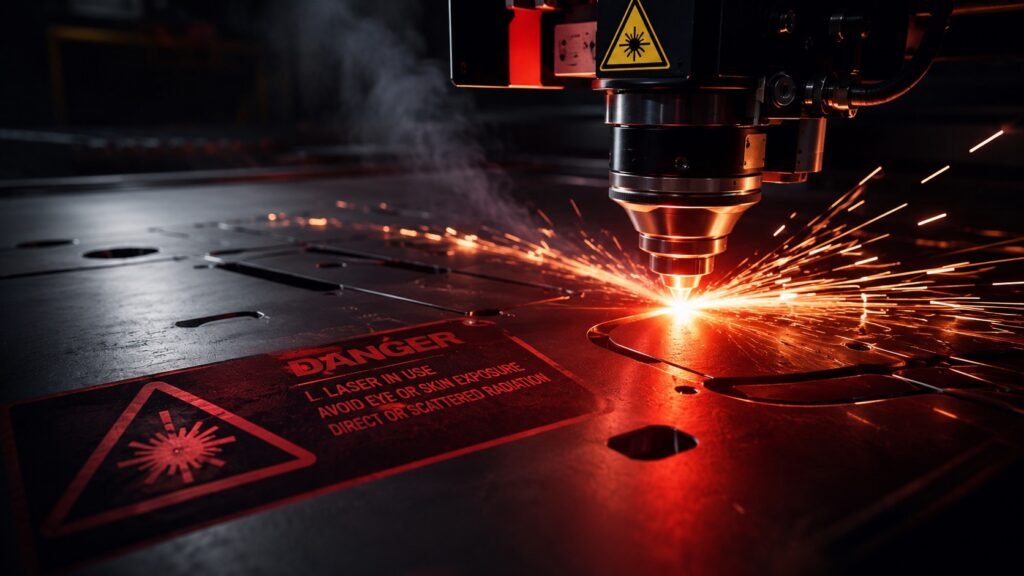
A laser machine is a powerful tool but it comes with real risks if you cut the wrong material. Not every material is safe for laser cutting or engraving. Some release toxic gases. Some catch fire easily. Others can damage your machine or even hurt you.
In this guide, we break down the materials you must never put inside a laser cutter and why they are dangerous.
Why Material Choice Matters in Laser Cutting
Laser cutters work by focusing a strong beam of light onto a surface. The beam heats the material until it melts, burns, or vaporizes.
When you cut the wrong material, the heat does not just cut it reacts. It can release harmful chemicals into the air. It can start a fire. It can also coat your laser lens with residue and reduce its lifespan.
That is why knowing what NOT to cut is just as important as knowing what the machine can do.
Health Risks You Cannot Ignore
Some materials release fumes that cause serious health problems even in small amounts. These include:
- Chlorine gas from PVC
- Cyanide fumes from some coated metals
- Beryllium particles from certain alloys
- Styrene gas from ABS plastic
PVC and Vinyl: The Most Dangerous Materials for a Laser Machine
PVC (polyvinyl chloride) is one of the most dangerous materials you can ever put into a laser cutting machine.
When a laser beam hits PVC, it releases chlorine gas. This gas is toxic and corrosive. It can damage your lungs. It can also corrode the metal parts inside your laser engraver.
Vinyl is another form of PVC. It looks simple and easy to cut but the fumes it produces are just as harmful.
Common Products That Contain PVC
Many everyday items contain PVC. Always check the material before you cut:
- Synthetic leather sheets
- Flexible plastic pipes and tubes
- Vinyl banners and stickers
- Electrical cable insulation
Polycarbonate and ABS Plastic: Hidden Hazards for Your Laser Cutter
Polycarbonate (PC) is a clear plastic that looks like acrylic. But it behaves very differently under a laser machine.
Instead of cutting cleanly, polycarbonate tends to discolor and melt unevenly. It also releases bisphenol A (BPA) fumes a chemical linked to health issues.
Why ABS Plastic Is Also a Problem
ABS plastic is very common in consumer goods. But when you cut it with a laser engraver, it releases styrene gas and carbon monoxide.
These fumes are harmful to breathe. ABS also leaves a sticky, burned residue that is hard to clean from your machine.
If you need to cut plastic, use laser-safe acrylic instead. It cuts cleanly and does not produce toxic fumes.
Coated and Treated Metals: Risky Choices for Laser Processing
Not all metals are safe for laser machine processing. Bare metals like mild steel, stainless steel, and aluminum can work well with the right machine settings.
But coated metals are a different story. When you cut or engrave through the coating, harmful particles get released into the air.
Specific Metal Coatings to Avoid
- Chrome-plated metals – release chromium particles
- Galvanized steel – coated with zinc; produces toxic zinc oxide fumes
- Beryllium alloys – release beryllium dust, which causes serious lung disease
- Painted or powder-coated metals – fumes vary by paint type
Always verify the metal type and its coating before running it through a laser cutter.
Fiberglass and Carbon Fiber: Dangerous Dust in Laser Engraving
Fiberglass is a common industrial material. But you should never cut it with a laser machine.
When a laser beam hits fiberglass, it breaks it into tiny glass particles. These particles float in the air and can cut into lung tissue if inhaled.
Why Carbon Fiber Is Also Off-Limits
Carbon fiber is strong and lightweight but it contains an epoxy resin binder. When a laser machine cuts through it, the resin burns and releases toxic gas.
The fine carbon particles that get released can also cause breathing problems. Even short-term exposure carries risk.
Both fiberglass and carbon fiber need special cutting tools not a laser engraver.
Other Materials to Keep Away From a Laser Cutter
Here are more materials that should never go inside a laser cutting machine:
- Epoxy resins – release toxic fumes when burned
- Polyethylene foam (PE foam) – melts and catches fire easily
- Food items – laser-treated food is unsafe and not food-grade
- Artificial leather with PU or PVC coating – produces harmful gas
- Reflective metals without proper setup – the beam can reflect and damage the machine
Conclusion
A laser machine is only as safe as the materials you use with it. Always research your material before you cut. When in doubt, skip it. Stick to tested, laser-safe materials like wood, acrylic, leather, and certain metals. These give clean results without putting your health or your machine at risk.
At Redsail, we help businesses get the most out of their laser cutting and engraving setup safely and efficiently. Whether you need help choosing the right machine or want expert guidance on materials, our team is ready to support you.